Source with logo printing cooling gel patches for fever relief
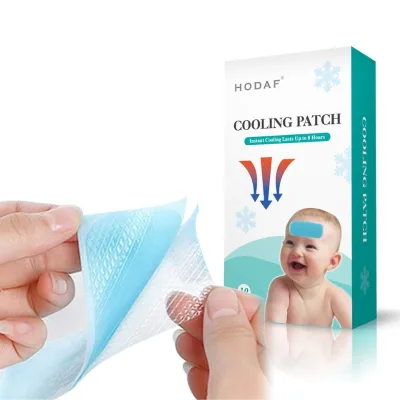
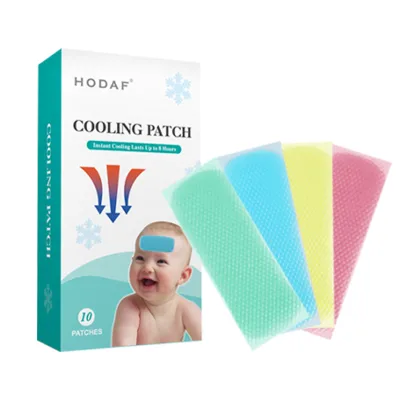
Compare 30 verified suppliers offering with logo printing cooling gel patches designed for fever relief, headache soothing, and neck cooling. These customizable patches feature hydrogel materials and various sizes to meet specific medical and personal care needs.
Key considerations
Products List




Comprehensive Sourcing Guide
Strategic Sourcing Guide for Custom Logo Printing Cooling Gel Patches
Understanding Product Composition and Technical Specifications
When sourcing cooling gel patches with logo printing capabilities, buyers must first establish a clear understanding of the material composition and technical specifications that define the product's efficacy. The core of these medical adhesive products typically relies on hydrogel as the primary ingredient, often combined with non-woven cloth and breathable film layers to ensure optimal skin contact and moisture retention. The observed market data indicates that the main ingredient is consistently identified as hydrogel, which provides the necessary cooling sensation and physical hypothermia effects required for fever reduction and headache relief.
The physical dimensions of these patches vary significantly based on the intended application area. Standard specifications observed in the supply chain include sizes such as 6x4 cm, 11x4 cm, and 12x5 cm for general therapeutic use. For specific cooling applications, particularly those targeting the neck or head, dimensions like 4x11 cm and 5x12 cm are common. Some suppliers offer customized sizes, including 5x7 cm, to accommodate specific anatomical needs or branding requirements. The product form is universally classified as a patch, designed for direct application to the body, with a single gross weight ranging from 0.015 kg to 0.100 kg depending on the packaging configuration.
The cooling mechanism is a critical technical differentiator. These patches function through physical hypothermia, utilizing the evaporative cooling properties of the hydrogel to provide a cool feeling that is both safe and effective. The material properties are described as breathable, allowing for extended wear without causing skin irritation, which is essential for rehabilitation therapy supplies and summer heat relief applications. The color of the patches is typically blue or white, though customization is available to match brand identity. The shelf life of these hydrogel-based products is generally observed to be two years, provided they are stored in appropriate conditions.
Compliance, Certification, and Regulatory Standards
Navigating the regulatory landscape is a fundamental step in sourcing medical adhesive products. The cooling gel patches discussed in this guide are classified as Class II instruments, a designation that dictates specific regulatory requirements for manufacturing and distribution. Buyers must verify that suppliers hold valid certifications that align with international medical device standards. The high-confidence data confirms that products in this category often carry CE marking and ISO 13485 certification, which are critical for market access in Europe and other regions requiring rigorous quality management systems.
While the specific certification status of every supplier cannot be universally guaranteed without direct verification, the presence of CE and ISO 13485 in the product attributes suggests that compliant manufacturers adhere to these standards. Additionally, some product listings reference NSF certification, indicating compliance with specific safety and material standards. It is imperative for procurement teams to request current copies of these certificates rather than relying on general claims. The verification process should include checking the validity dates and the scope of the certification to ensure it covers the specific manufacturing facility and product model.
Sterilization status is another vital compliance factor. The supplied facts explicitly note that many of these cooling patches are produced without ethylene oxide sterilization. This distinction is crucial for buyers, as it affects the product's classification, shelf-life requirements, and the intended user environment. Products without ethylene oxide sterilization are typically intended for general health care and first-aid use rather than sterile surgical applications. Buyers must ensure that the lack of sterilization aligns with their specific procurement needs and local regulatory allowances for Class II medical devices.
Cost Drivers and Pricing Dynamics
The pricing structure for custom logo printing cooling gel patches is influenced by several key variables, primarily driven by order volume and customization complexity. The observed price range in the market spans from $0.01 to $2.05 per unit, a wide spectrum that reflects the diversity in packaging, material quality, and order quantities. The minimum order quantity (MOQ) varies significantly, ranging from as low as 1 unit for sample orders to 100,000 units for bulk industrial procurement. This flexibility allows buyers to test the market with small batches before committing to large-scale production runs.
Customization is a primary cost driver in this sector. The ability to add a customized logo and accept OEM/ODM requests adds value but also increases the unit cost compared to standard, unbranded products. The complexity of the logo printing process, the number of colors required, and the specific placement of the branding on the patch or packaging all contribute to the final price. Furthermore, the choice of packaging plays a significant role in cost determination. While standard packing might be a simple box, customized packaging solutions, such as specific bag configurations (e.g., 1 patch per bag, 26 bags per box), incur additional tooling and labor costs.
Supply chain logistics also impact the final landed cost. With a reported supply ability of 800,000 pieces per day, manufacturers in China demonstrate high production capacity. However, buyers must account for shipping costs, import duties, and potential lead time variations when calculating the total cost of ownership. The single package size and gross weight, which can range from 20x10x10 cm to 11x4x2 cm, affect freight charges, particularly for air shipping. Buyers should negotiate based on total volume rather than unit price alone to secure the most favorable terms, leveraging the high supply capacity of the manufacturers to ensure consistent availability.
Typical Applications and Functional Use Cases
The functional versatility of cooling gel patches with logo printing makes them suitable for a diverse range of applications, spanning from acute medical treatment to general wellness and promotional use. The primary function of these products is physical hypothermia, specifically designed for reducing fever, alleviating headaches, and providing relief from toothaches. The cooling sensation is described as having an obvious effect, offering soothing comfort to users experiencing thermal discomfort or pain. This makes them an essential component of rehabilitation therapy supplies and summer heat relief kits.
In a medical context, these patches are applied to the body, with specific focus areas including the neck and forehead. The application is non-invasive and relies on the hydrogel's ability to maintain a cool temperature over an extended period. The product benefits are clearly defined as headache relief and soothing comfort, addressing common ailments that require immediate, non-pharmacological intervention. The "cool feeling" feature is particularly valued in hot climates or during summer months, where heat stress is a common concern.
Beyond direct medical application, the customization options open doors for promotional and corporate wellness use. Companies often utilize these patches as branded giveaways or employee wellness items, leveraging the "cooling" aspect to convey a message of care and comfort. The ability to print a customized logo on the patch or the packaging allows organizations to enhance brand visibility while providing a useful health product. The eco-friendly nature of the materials, as noted in some product attributes, further aligns with corporate sustainability goals, making these patches an attractive choice for environmentally conscious brands.
Supplier Evaluation and Manufacturing Capabilities
Selecting the right supplier requires a rigorous evaluation of their manufacturing capabilities, quality control systems, and responsiveness to customization requests. The high supply ability of 800,000 pieces per day indicates that established manufacturers have the infrastructure to handle large-scale orders without significant delays. However, buyers should verify this capacity through site audits or third-party assessments to ensure consistency. The location of production, primarily in Hebei, China, suggests a concentration of manufacturing expertise in this region, but buyers must also consider the logistical implications of sourcing from this specific area.
Customization is a key differentiator among suppliers. The ability to accept customized logos, colors, and packaging is a standard feature, but the quality of execution varies. Buyers should request samples to evaluate the clarity of the logo printing, the adhesion of the patch, and the overall finish of the product. The acceptance of OEM/ODM services indicates that suppliers are willing to tailor the product to specific brand requirements, but the terms of these agreements, including tooling costs and minimums for custom runs, should be clearly defined.
Quality control is paramount, especially for Class II medical devices. Buyers should inquire about the supplier's internal quality assurance processes, including in-process inspections and final product testing. The observation of specific product models, such as HT-10 and HS-L78, suggests that manufacturers have standardized production lines, but buyers must ensure that these models meet their specific quality expectations. The acceptance of samples is a positive indicator of supplier confidence, allowing buyers to validate the product before committing to a large order.
Quality Control and Long-Term Procurement Strategy
Implementing a robust quality control strategy is essential for maintaining product integrity and ensuring customer satisfaction. Given the medical nature of cooling gel patches, buyers should establish clear acceptance criteria for material composition, dimensional accuracy, and functional performance. The hydrogel material must remain stable over the two-year shelf life, and the adhesive properties should not degrade over time. Regular quality audits and batch testing should be incorporated into the procurement process to detect any deviations from the agreed specifications.
Long-term procurement considerations involve building a sustainable relationship with suppliers who can consistently deliver high-quality products. The variability in MOQs and pricing suggests that buyers should develop a tiered sourcing strategy, utilizing smaller orders for market testing and larger orders for established demand. The flexibility in packaging and customization allows for adaptive procurement strategies that can respond to changing market conditions. Buyers should also consider the environmental impact of their procurement, prioritizing suppliers who demonstrate a commitment to eco-friendly practices and sustainable manufacturing.
In conclusion, sourcing cooling gel patches with logo printing requires a balanced approach that considers technical specifications, regulatory compliance, cost dynamics, and supplier capabilities. By leveraging the available market data and maintaining a disciplined approach to quality control, buyers can secure a reliable supply chain that meets their specific needs while adhering to the highest standards of safety and efficacy. The diverse applications and customization options available in this sector offer significant opportunities for brands to differentiate themselves and provide value to their customers through innovative health and wellness solutions.
FAQs
Can I customize the logo on these cooling gel patches?
Yes, customized logo printing is accepted for these cooling gel patches. Buyers can request specific branding on the patch or packaging, though this may affect the unit price and minimum order quantity requirements.
What materials are used to make these cooling patches?
These patches are primarily made from hydrogel, often combined with non-woven cloth and breathable film. The hydrogel provides the cooling sensation while the other layers ensure skin contact and moisture retention for effective fever reduction.
Which certifications do these medical adhesive patches hold?
Products in this category often carry CE and ISO 13485 certifications, with some listings also mentioning NSF. These certifications are critical for market access and indicate compliance with international medical device quality management standards.
How does the supply capacity of these manufacturers compare?
Suppliers demonstrate high production capacity with a reported supply ability of 800,000 pieces per day. This high volume ensures consistent availability for large-scale orders while maintaining the flexibility to handle customized requests efficiently.
What is the shelf life of the hydrogel cooling patches?
The shelf life of these hydrogel-based cooling patches is generally two years. This duration applies provided the products are stored in appropriate conditions to maintain the stability of the gel and adhesive properties over time.
Are these patches sterilized with ethylene oxide?
No, many of these cooling patches are produced without ethylene oxide sterilization. This classification makes them suitable for general health care and first-aid use rather than sterile surgical applications, aligning with their Class II instrument status.